Introduction
In the ecosystem of data processing, not all data is created equal, and neither are the organizations that handle it. The Digital Personal Data Protection (DPDP) Act, 2023, recognizes this by creating a special category of organizations: Significant Data Fiduciaries (SDFs).
While any business collecting data is a Data Fiduciary, the Central Government has the power to elevate an organization to SDF status based on several factors, including the volume and sensitivity of the personal data processed, risk to the rights of Data Principals, and potential impact on the sovereignty and integrity of India.
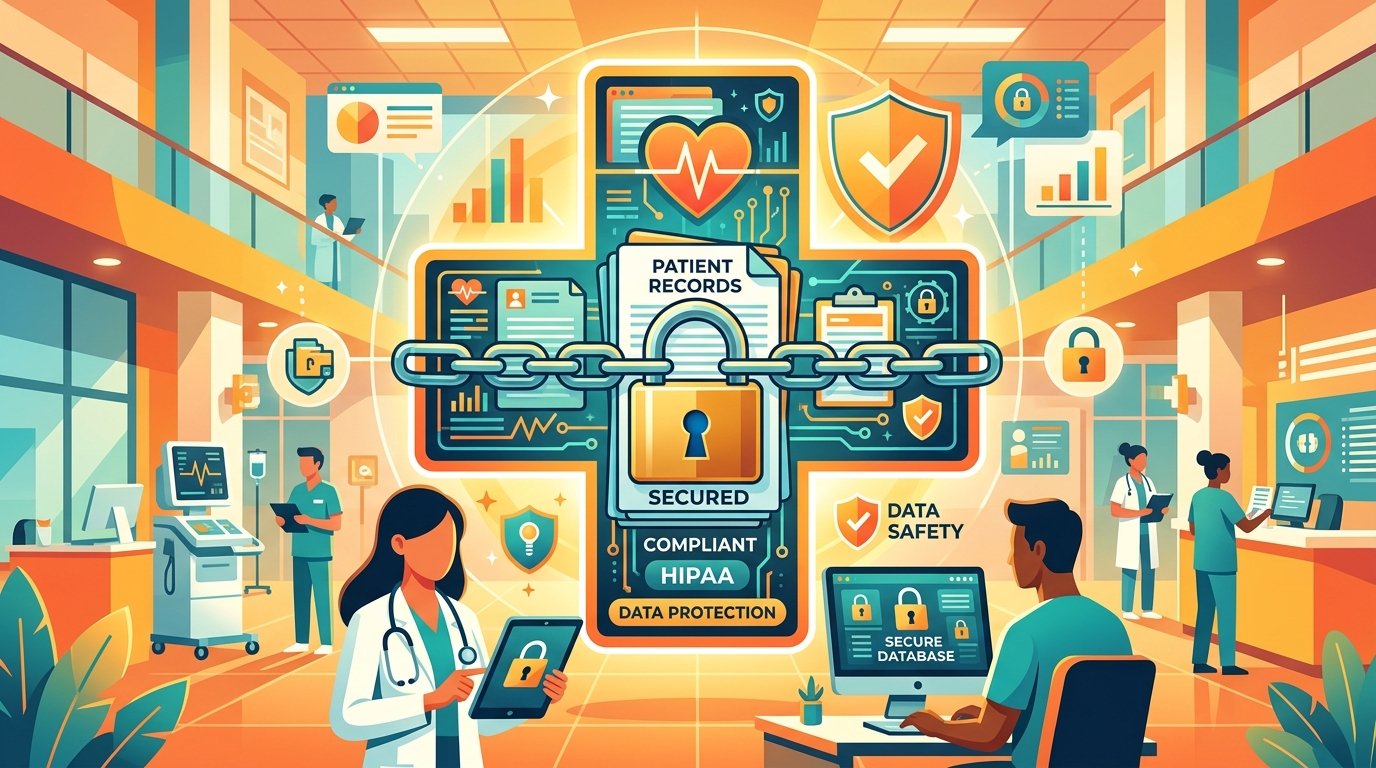
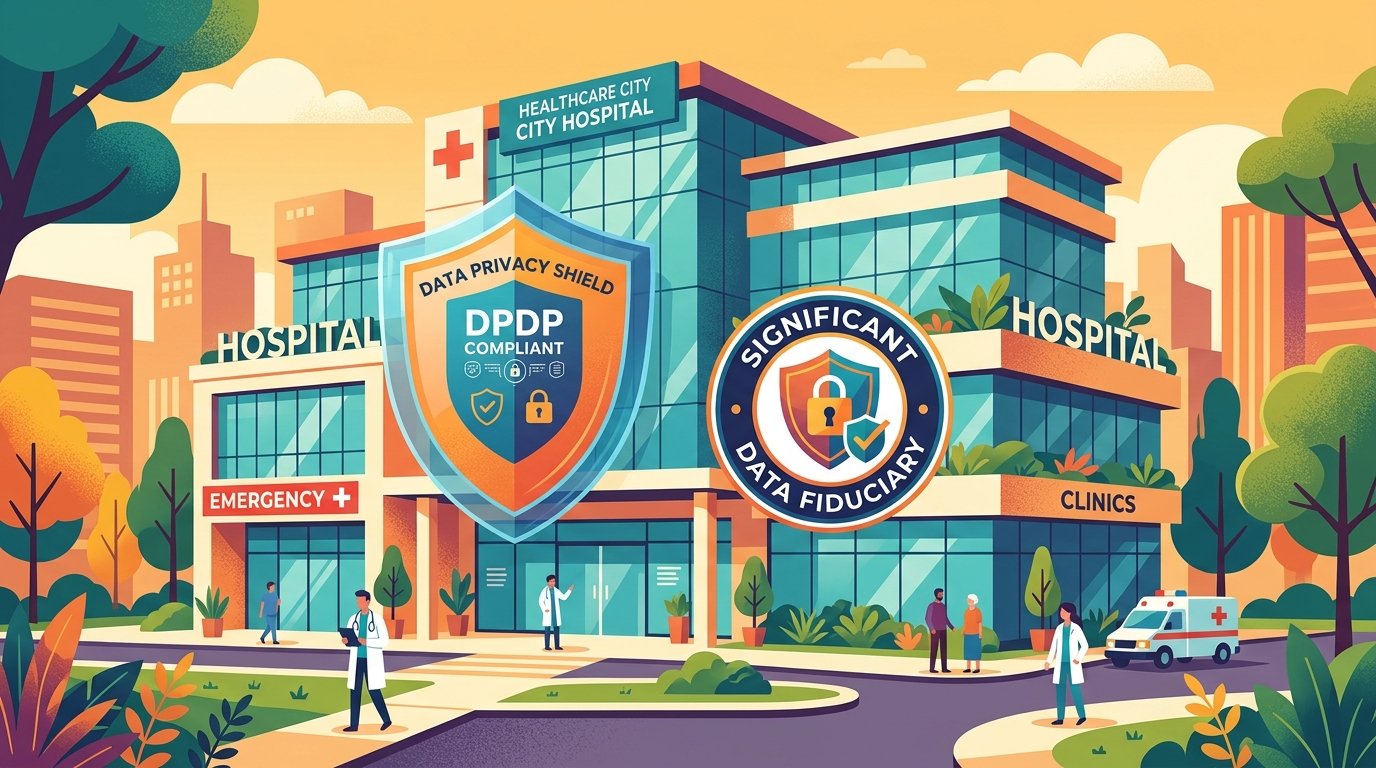
Given the highly sensitive nature of medical records, diagnostics, and patient histories, hospitals, large clinics, and health-tech platforms are prime candidates for mandatory SDF classification. This elevation comes with a host of stringent, non-negotiable compliance obligations.
What Does SDF Status Mean for Healthcare?
Being classified as a Significant Data Fiduciary means your hospital must go far beyond the baseline requirements of the DPDP Act. The compliance burden shifts from reactive data protection to proactive, heavily documented privacy governance.
1. Mandatory Appointment of a Data Protection Officer (DPO)
Every SDF must appoint a Data Protection Officer. Unlike GDPR, where the DPO can sometimes be outsourced globally, the DPDP Act explicitly requires the DPO to be based in India. This individual must report directly to the Board of Directors or the highest governing body of the hospital. The DPO is the point of contact for the Data Protection Board (DPBI) and is legally responsible for ensuring organizational compliance.
2. Independent Data Auditors
Self-assessment is no longer sufficient. Hospitals classified as SDFs must appoint an Independent Data Auditor. This auditor is tasked with evaluating the hospital's compliance with the DPDP Act, assessing everything from consent mechanisms at the reception desk to the encryption standards of the backend electronic health record (EHR) systems.
3. Periodic Data Protection Impact Assessments (DPIA)
Before launching any new patient portal, integrating a new AI diagnostic tool, or changing how medical data is stored, an SDF must conduct a Data Protection Impact Assessment (DPIA). This is a formal process to identify, analyze, and minimize the privacy risks associated with a new project.
The Stakes Have Never Been Higher
The penalties for failing to meet SDF-specific obligations are severe. While a standard Data Fiduciary faces fines up to ₹50 Crores for general contraventions, failing to meet the specific obligations of an SDF (like not appointing a DPO or skipping the independent audit) carries a specific maximum penalty of up to ₹150 Crores.
Preparing Your Hospital
Hospitals cannot wait for the official government notification to begin their SDF compliance journey. The transition requires significant structural and budgetary changes. Healthcare administrators must begin scouting for qualified DPOs, budgeting for annual independent audits, and embedding DPIA frameworks into their IT procurement processes immediately.