
Introduction
For SaaS (Software as a Service) founders, agility is everything. Minimum Viable Products (MVPs) are built rapidly, tech debt is accumulated intentionally, and features are shipped at lightning speed. However, with the Digital Personal Data Protection (DPDP) Act, 2023, ignoring privacy in the early stages is a critical error that can sink a startup before it even finds product-market fit.
Retrofitting a complex, established codebase to comply with data mapping, erasure requests, and consent logs is a logistical nightmare. The solution is Privacy by Design (PbD)—the philosophy of embedding data protection principles into the very architecture of your software from the first line of code.
The Core Tenets of Privacy by Design
1. Data Minimization as a Default
When designing your database schema, question every column. Do you really need the user's date of birth for a project management tool? If a feature requires specific data, build it so the data is only collected when the user activates that feature, not during the initial sign-up flow. Less data means lower storage costs and a smaller attack surface.
2. End-to-End Security
Security cannot be an add-on. Implement Transport Layer Security (TLS) for all data in transit. For data at rest, ensure your database (whether PostgreSQL, MongoDB, or MySQL) is encrypted. Crucially, implement strict Role-Based Access Control (RBAC) internally. A junior developer should not have production database access to raw customer data.
3. The Consent Ledger
Under the DPDP Act, you must prove that you obtained verifiable consent. Build a dedicated "Consent Ledger" table in your database. Every time a user agrees to a policy, logs their IP address, timestamp, the exact version of the privacy policy they agreed to, and the specific purposes they consented to. This ledger will be your primary defense during a regulatory audit.
Building for Data Principal Rights
The most technically challenging aspect of DPDP compliance for SaaS platforms is fulfilling Data Principal rights, particularly the Right to Erasure.
The Soft Delete Trap: Many SaaS platforms use "soft deletes"—flagging a user record as inactive rather than physically deleting the data from the database. Under the Right to Erasure, a soft delete is legally insufficient. You must build hard-delete protocols that scrub the user's personal data from primary databases, cache layers (like Redis), and eventually, encrypted backups.
Automated Export: Anticipate requests for data access. Build an API endpoint or a dashboard button that compiles a user's data into a standard, machine-readable format (like JSON or CSV) and emails them a secure download link. Automating this saves your engineering team from writing manual SQL queries every time a user requests their data.
Conclusion
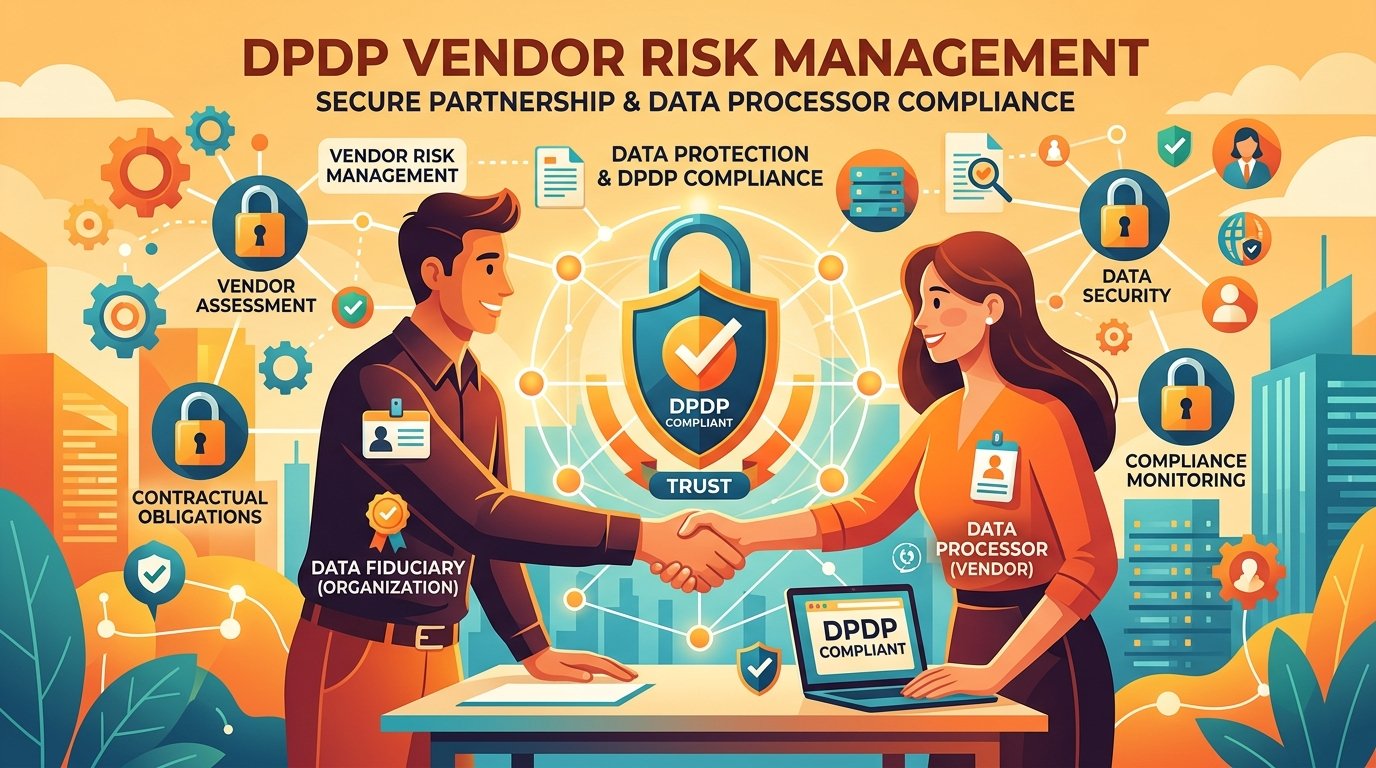
Privacy by Design is not a legal checklist; it is an engineering discipline. For SaaS founders, investing in a privacy-centric architecture early on prevents massive technical debt and positions the platform as a secure, trustworthy vendor for enterprise clients who demand rigorous DPDP compliance from their processors.