Introduction
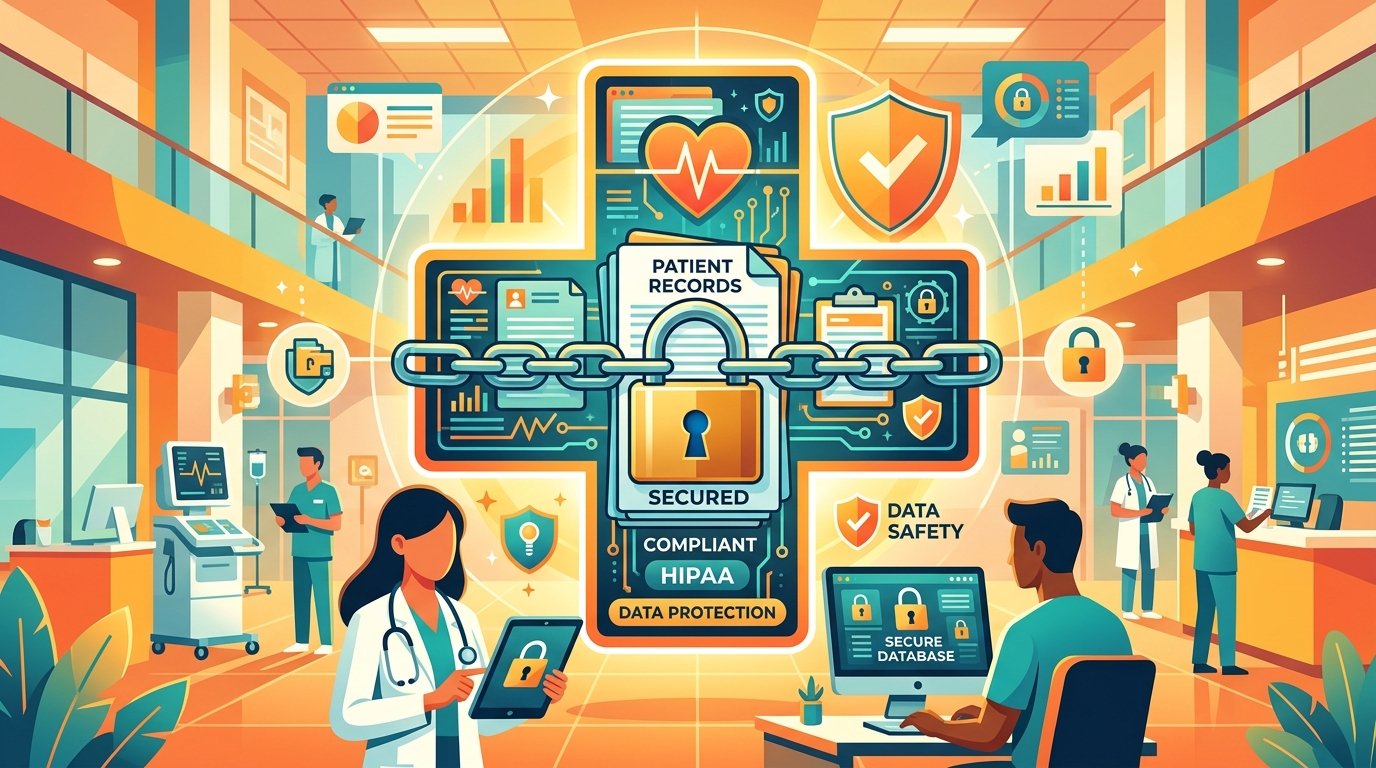
The healthcare sector processes some of the most sensitive, intimate, and valuable personal data in existence. From patient medical histories and genetic information to billing details and telemedicine recordings, healthcare data is a prime target for cybercriminals. Consequently, hospitals, clinics, and health-tech platforms face some of the highest stakes under India’s Digital Personal Data Protection (DPDP) Act, 2023.
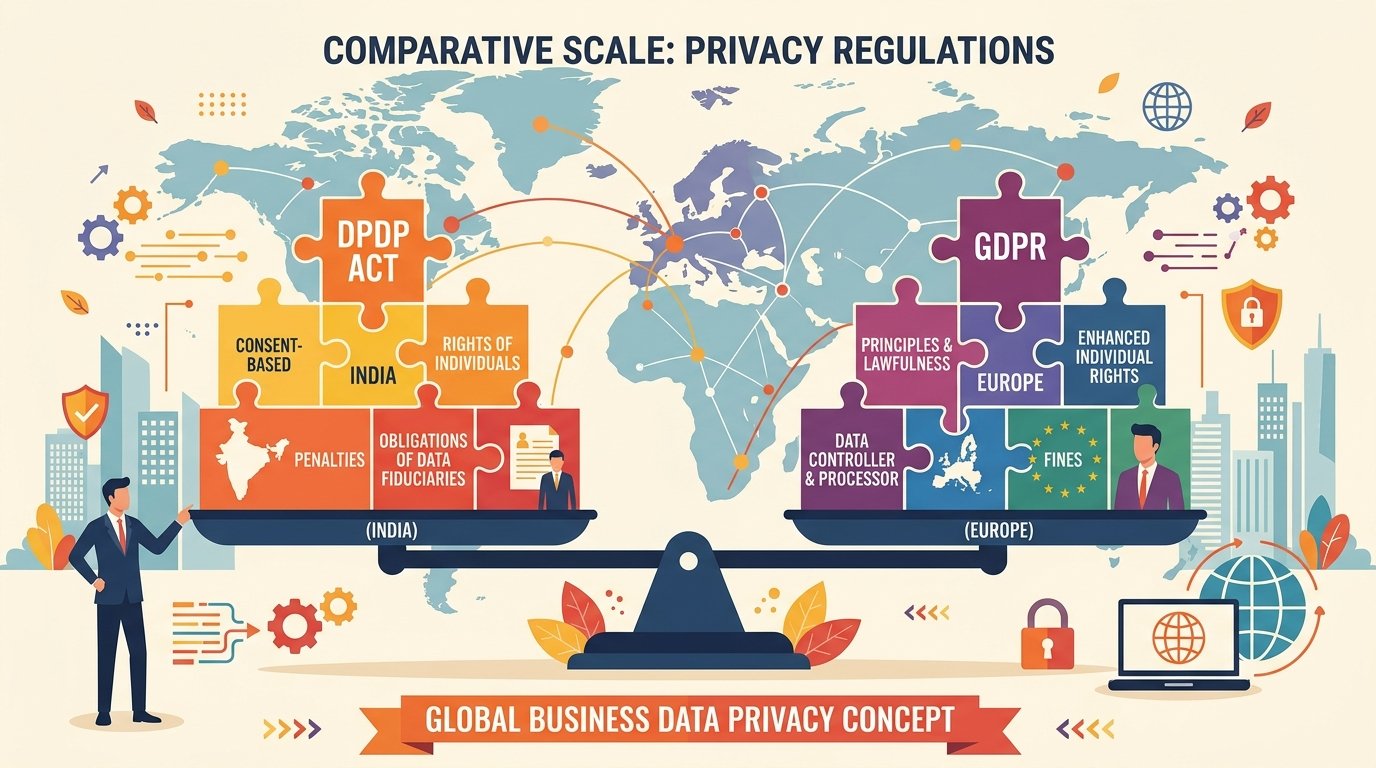
While the DPDP Act, unlike older drafts or global laws like the GDPR, doesn't explicitly categorize "health data" as a distinct "sensitive" category with separate overarching rules, the practical implications of processing such high-risk data mean that healthcare providers will be held to the highest possible standards of care and security.
This article outlines the critical compliance hurdles for the healthcare sector and how providers must adapt to the new privacy regime.
1. The Challenge of Consent in Healthcare
The bedrock of the DPDP Act is verifiable consent. However, obtaining consent in a healthcare setting is rarely straightforward.
- Emergency Situations: The DPDP Act provides a pragmatic exemption. Consent is not required for processing personal data to respond to a medical emergency involving a threat to the life or immediate threat to the health of the Data Principal or any other individual.
- Routine Care vs. Secondary Use: For routine care, hospitals must present a clear, plain-language Privacy Notice detailing exactly what data is collected and why. Crucially, if a hospital wants to use that data for secondary purposes—such as medical research, sharing with pharmaceutical companies, or marketing—they must obtain explicit, separate consent for those specific purposes. Bundled consent ("Sign here for treatment and to let us sell your data") is illegal.
- Telemedicine and Apps: Health-tech platforms must build robust "Notice and Consent" UI flows. For example, a telemedicine app must explicitly ask for consent before accessing a smartphone's camera or microphone.
2. The Burden of "Reasonable Security Safeguards"
The DPDP Act demands "reasonable security safeguards" to prevent data breaches, carrying a maximum penalty of ₹250 Crores for failure. Because the data involved in healthcare is intrinsically sensitive, the legal definition of "reasonable" will be exceptionally high.
Healthcare organizations must move beyond basic passwords and implement defense-in-depth strategies:
- End-to-End Encryption: Patient records must be encrypted both at rest (in hospital databases) and in transit (when sent to insurance providers or labs).
- Strict Access Controls: Implement Role-Based Access Control (RBAC). A receptionist should not have access to a patient's psychiatric evaluation; a nurse should only access records for patients on their ward.
- Audit Logs: Maintain immutable logs detailing who accessed which patient record and when. This is critical for investigating insider threats or accidental breaches.
3. Managing the Healthcare Supply Chain
Hospitals do not operate alone. They share patient data with pathology labs, insurance companies, cloud hosting providers, and software vendors. Under the DPDP Act, the hospital is the Data Fiduciary, and these external entities are often Data Processors.
As a Data Fiduciary, the hospital is entirely liable for breaches caused by its vendors. Healthcare providers must overhaul their vendor management:
- Data Processing Agreements (DPAs): Mandate strict security standards and immediate breach notification protocols in contracts with all third-party vendors.
- Vendor Audits: Conduct regular security audits of key vendors, particularly cloud platforms hosting Electronic Health Records (EHR).
4. The Right to Erasure in a Medical Context
Data Principals have the Right to Erasure. However, in healthcare, this right frequently clashes with other legal obligations.
The DPDP Act allows organizations to retain data if required for compliance with any law in force. Various medical council guidelines and state health laws mandate that patient records be retained for specific periods (e.g., 3 to 7 years, or longer for certain conditions). Hospitals must create complex data retention policies that respect the DPDP Act's right to erasure while simultaneously adhering to medical retention laws.
5. Children's Health Data
Pediatric care poses unique compliance challenges. The DPDP Act defines a child as anyone under 18 and requires verifiable consent from a parent or lawful guardian to process their data.
Hospitals and pediatric apps must implement mechanisms to verify the relationship between the adult providing consent and the child receiving care, balancing privacy requirements with the urgency of medical treatment.
Conclusion
For the Indian healthcare sector, the DPDP Act is a wake-up call to modernize legacy IT systems and prioritize patient privacy alongside patient care. While the operational shift is significant—requiring new consent workflows, tighter vendor contracts, and robust cybersecurity—it ultimately aligns with the core tenet of the medical profession: building and maintaining patient trust.