
Introduction
Ask any Indian smartphone user if they care about their privacy, and the answer is almost universally a resounding "Yes." High-profile data breaches, spam calls, and phishing scams have made the average citizen hyper-aware of the dangers of data misuse.
Yet, look at the behavioral data. When presented with a new app, a new e-commerce platform, or a new digital service, the same privacy-conscious user will scroll past 15 pages of dense legal terms and blindly click "I Agree" in less than three seconds.
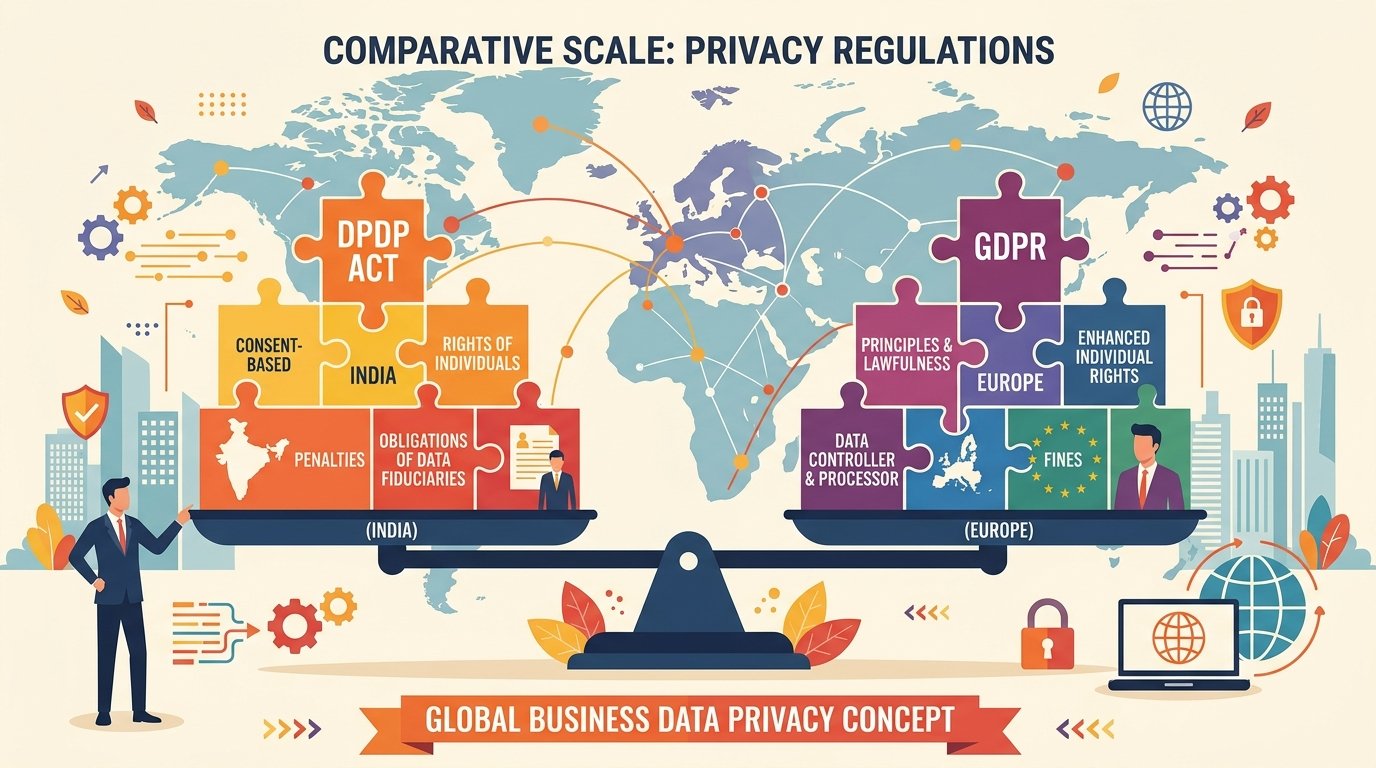
This is the Privacy Paradox: the massive disconnect between an individual's stated desire for privacy and their actual digital behavior. As India rolls out the Digital Personal Data Protection (DPDP) Act, 2023, addressing this paradox is the single biggest challenge for both regulators and businesses.
The Psychology of the Paradox
Why do we do this? It's not because we are hypocrites; it's because the digital ecosystem has been deliberately designed to overwhelm our cognitive limits.
1. Information Overload
Traditional privacy policies are written by lawyers, for lawyers, to protect the company from liability. They are not written to inform the user. When faced with a 10,000-word document filled with terms like "indemnification" and "third-party sub-processors," the human brain simply shuts down and chooses the path of least resistance: clicking "Agree" to get to the dopamine hit of the app itself.
2. The Illusion of Choice
Often, users feel they have no real choice. If you need a cab to get to the hospital, and the ride-hailing app demands access to your contacts to function, you will hand over your contacts. The cost of opting out (not getting the service) is too high in the immediate moment, whereas the risk to privacy feels distant and abstract.
How the DPDP Act Attempts to Fix This
The DPDP Act recognizes the failure of the traditional "Notice and Consent" model and attempts to force a behavioral shift in how businesses ask for data.
1. Clear and Plain Language
The Act mandates that the request for consent must be presented in clear and plain language. Furthermore, the user must be given the option to read the notice in English or any of the 22 regional languages specified in the Eighth Schedule to the Constitution. This is a massive step toward accessibility, ensuring millions of Indians can actually understand what they are agreeing to.
2. Specificity and Granularity
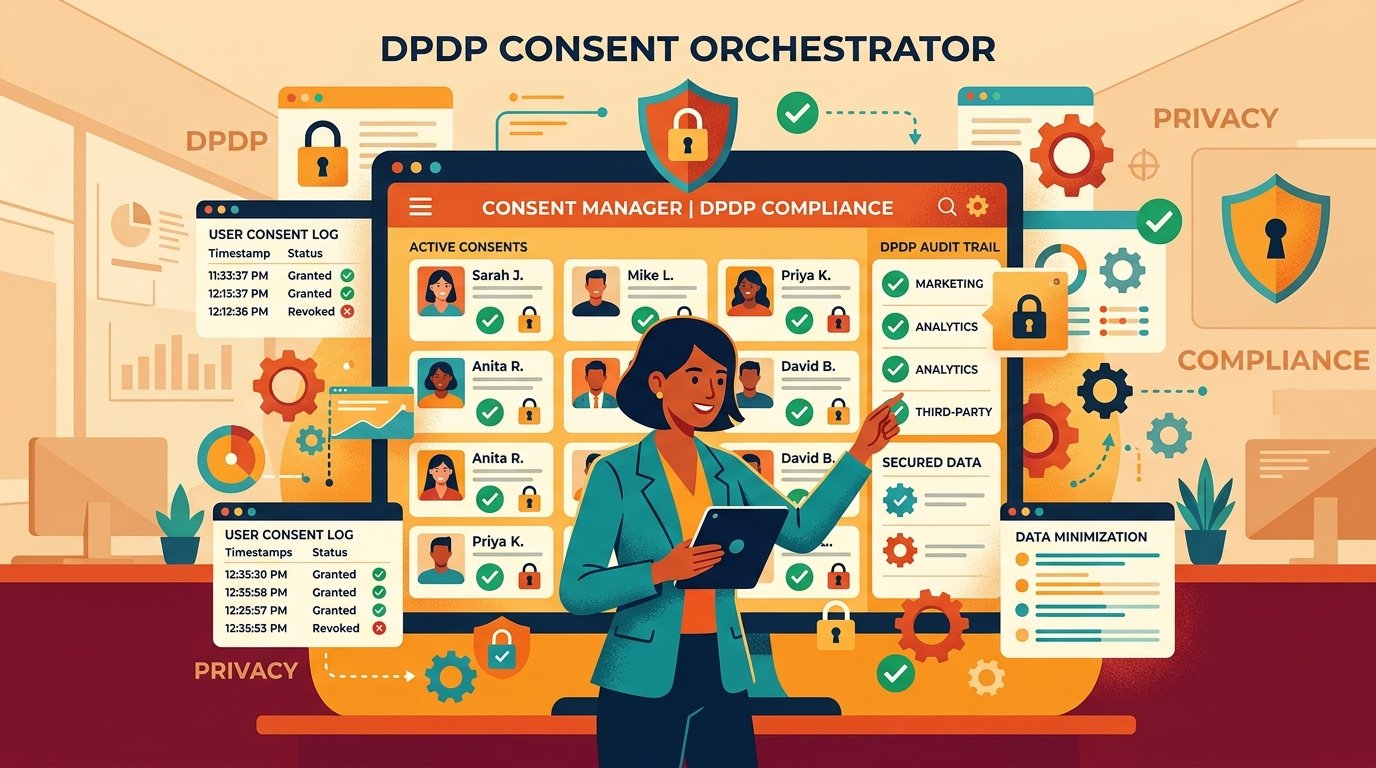
Gone are the days of bundled consent. If an app wants your location for delivery and your email for marketing, it must present those as two distinct choices. The user must be able to say "Yes" to delivery and "No" to marketing without being denied the core service.
The Responsibility of Design
Ultimately, the law can only do so much. The true cure for the Privacy Paradox lies in the hands of UX/UI designers. Businesses must adopt "Privacy by Design," turning the consent process from a legal roadblock into a seamless, transparent part of the user journey. Only when the cognitive burden of understanding privacy is removed will users' actions finally align with their intentions.